Octopus Plug-In Solar Sells Out: What Buyers Should Do
Written and reviewed by Sepehr. See our editorial policy.
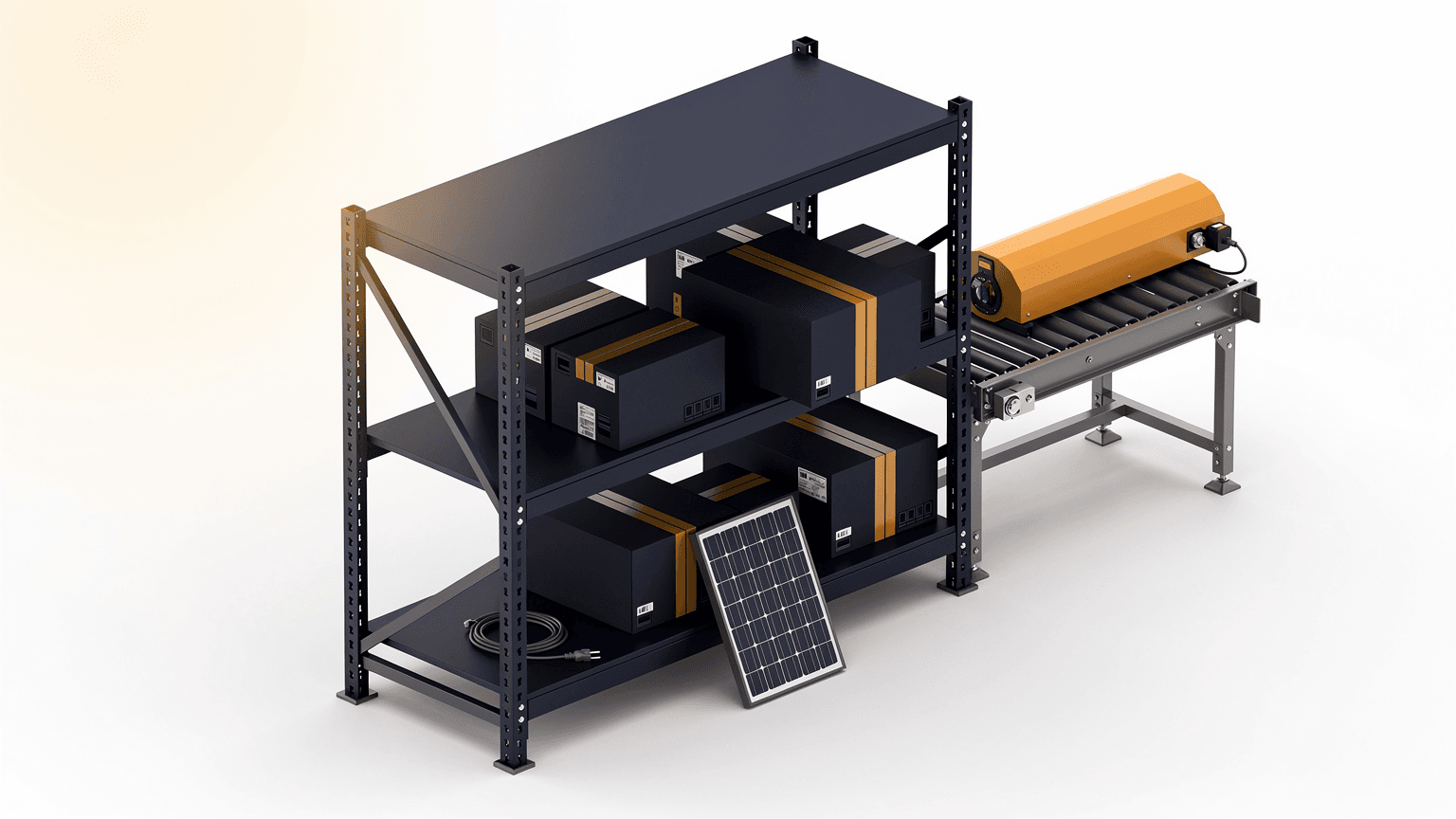
Octopus plug-in solar has sold out twice in under a month. According to Octopus's 1 October press release, the first 500 kits were gone within two weeks of plug-in solar becoming legal in Great Britain at the end of August, and the supplier has had to restock twice in less than four weeks. If you were hoping to order one, here is what the numbers show, what the headline saving really depends on, and what to do while stock catches up.
What Octopus has actually said
The facts in the announcement are short. The kit costs £450 for one panel or £650 for two, including mounting and the materials needed to self-install without an electrician. 89% of customers chose the two-panel bundle, and Octopus says buyers can earn roughly £150 a year by exporting unused power on its Outgoing export tariff. Chief Customer Officer Rebecca Dibb-Simkin said the supplier has been "blown away by how quickly people have taken to it" and that more stock is on the way. The announcement gives no restock date or waiting-list size, so treat any specific delivery promise you see elsewhere with caution.
It also confirmed that its plug-in Nook Cube battery is planned for the first quarter of 2027. Our Octopus plug-in solar review covers the hardware in detail.
Why the two-panel kit is winning
The 89% figure is not surprising. The extra £200 buys a second panel, so the cost per panel falls from £450 to £325. The category is also capped at an 800W AC output, and the two-panel bundle is the one that reaches that cap, while the single panel leaves headroom unused. If you are going to do it, most buyers are deciding to do it properly.
Is the £150 a year saving realistic?
Octopus itself notes that "actual savings will vary depending on factors such as sunlight levels and household energy consumption". That caveat matters, because a plug-in kit has no battery: it only helps while it is generating. The value of each kilowatt-hour depends on what happens to it.
- Used in the home: it displaces grid electricity. The Ofgem price cap from 1 October 2026 puts electricity at 26.32p per kWh, according to UKEM.
- Exported: Octopus's main export rate has been 12p per kWh since March 2026, so an exported unit is worth less than half of one you use yourself.
That gap is why the kit suits households that are home during the day, such as remote workers, retirees and families with daytime appliances, and why it pays back more slowly in a house that is empty from 8am to 6pm. As a simple illustration of our own, not an Octopus figure: £650 divided by £150 a year is just over four years if the claim holds in full, and closer to nine years if real savings are half that. Shaded or north-facing sites will sit towards the slower end. Our plug-in solar guide walks through realistic paybacks across the market.
What to do if you could not get a kit
- Do not pay a premium to resellers. Octopus says more stock is coming, and other retailers have entered the market since the rules changed. Compare like for like on panel rating, inverter output and return terms before buying.
- Check your home is suitable. Older wiring and shared buildings raise questions; see our guide to plug-in solar in older homes.
- Sort the paperwork before the kit arrives. Read how to register plug-in solar and check whether your home insurance needs telling.
- Think about your export tariff. If you do not use Octopus, compare the options in our Octopus tariffs for solar owners guide and our wider export-rate coverage.
- Wait for batteries if you are rarely home. Plug-in batteries are still being assessed for safety; see the plug-in battery safety study.
What the sell-out tells us
Demand arrived alongside a 4% price cap rise from 1 October, taking a typical household to £1,723 a year, according to the Ofgem cap figures reported by UKEM. Octopus is also described as the only major UK energy supplier selling plug-in kits, according to Renewable Energy Magazine, which concentrates supplier-led demand on one stock pool. Expect the shortage to ease as more retailers fill the gap, but a kit that costs £450 to £650 is no substitute for a full rooftop system if you own your roof and want to cut bills substantially; it is a starter option, particularly for renters and flat-dwellers.
FAQs
Is Octopus plug-in solar sold out?
How much does Octopus plug-in solar cost?
How much can plug-in solar save a year?
When is the Octopus plug-in battery coming?
Sources — verified 4 October 2026
- Octopus Energy, “Octopus plug-in solar SELLS OUT in a fortnight as bills soar” — octopus.energy
- UKEM, “Energy Price Cap October 2026: Up 4% to £1,723” — www.ukem.co.uk
- Solarbriton, “Octopus Energy Solar Export Tariff 2026: All Rates Compared” — solarbriton.co.uk
- Renewable Energy Magazine, “Octopus Energy plug-in solar sells out in a fortnight as UK energy bills soar” — www.renewableenergymagazine.com

About the author
Sepehr
Solar specialist & co-founder, Smart Solar Homes
Solar specialist and co-founder of Smart Solar Homes, which works with MCS-certified UK installer partners. I write all the guides and reviews here; the aim is straight-talking education the industry rarely provides.
Citing this page? Please use a dofollow link back to the original article — it helps us keep the data on this page accurate and up to date.
Browse Solar Panels on Smart Solar Homes


Want to compare these side by side? Use the compare tool →
Or browse all Solar Panels on Smart Solar Homes.
Related reading
More on solar panels from the editorial team.

Find installers near you
MCS-certified solar installers covering these areas.