EV Charger Grant UK 2026: £500 for Renters and Flat Owners
Written and reviewed by Sepehr. See our editorial policy.
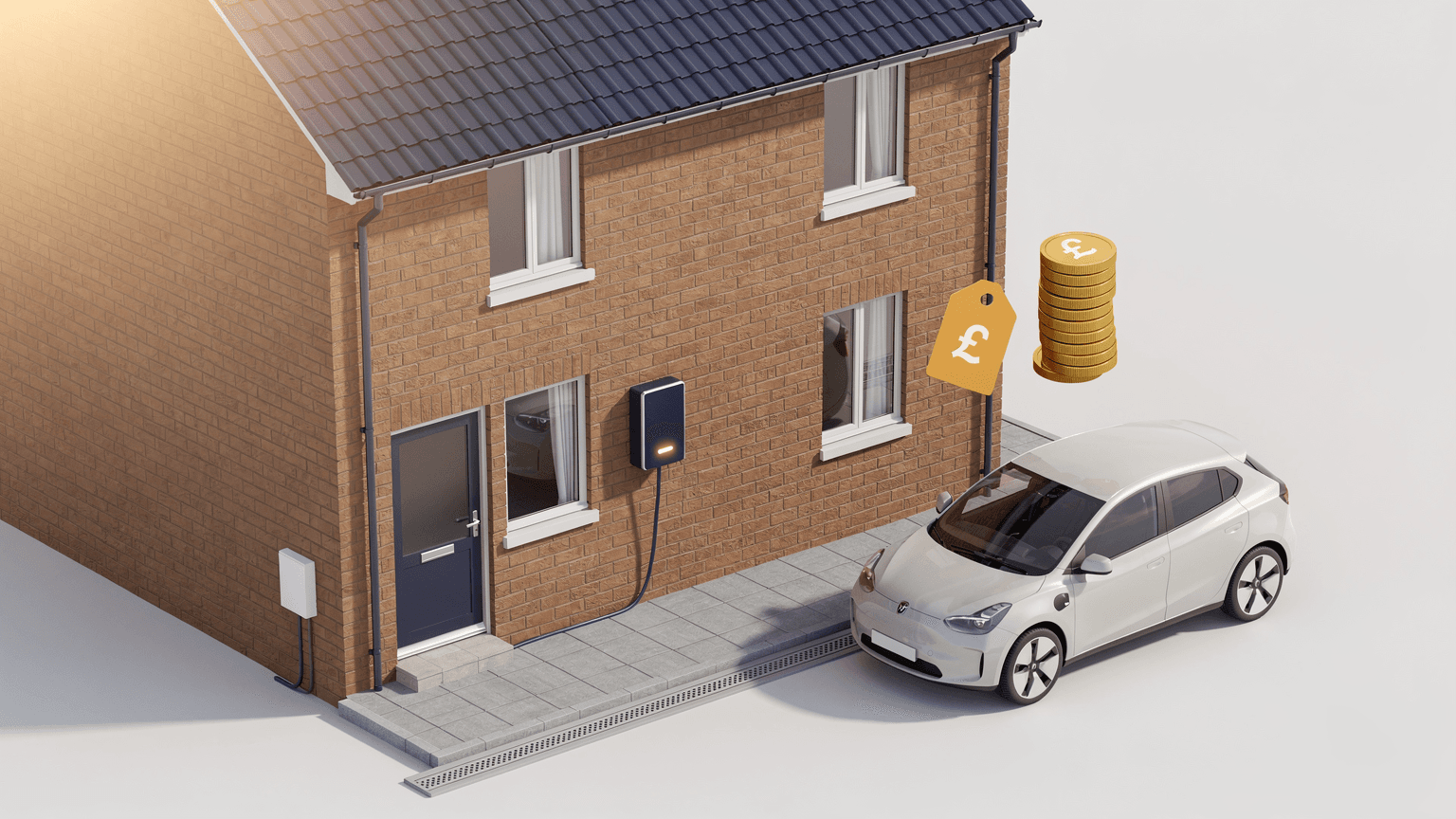
The EV charger grant is still open in 2026, but only for some households. From 1 April 2026 the maximum rose from £350 to £500 per socket, and funding is confirmed to 31 March 2027. If you own a house with a driveway, you are not eligible; if you rent, own a flat, or park on the street, you may be. This guide sets out who qualifies, what to do before you book an installer, and the mistake that costs people the grant.
What the EV charger grant covers
The amount. Both home grants pay 75% of the cost to buy and install a chargepoint socket, up to a maximum of £500 (GOV.UK Find a grant). GOV.UK confirms the cap rose from £350 on 1 April 2026, and residents can apply for one socket (GOV.UK).
How it is paid. You do not receive cash. Your installer deducts the grant from your invoice and claims it from OZEV, so you only pay the balance.
What has closed. The staff and fleets grant, the commercial landlord grant and the residential landlord infrastructure grant closed to customer applications on 31 March 2026. The home, landlord and workplace schemes continue to 31 March 2027.
Who is eligible for the EV charger grant
Renters and flat owners. You can apply if you own and live in a flat, or rent any residential property (including shared ownership). The property must have private off-street parking you have a legal right to use, and you need a plug-in electric or hybrid vehicle – owned, leased, company-assigned or on order to arrive within three months. Landlord or freeholder permission must be in place first.
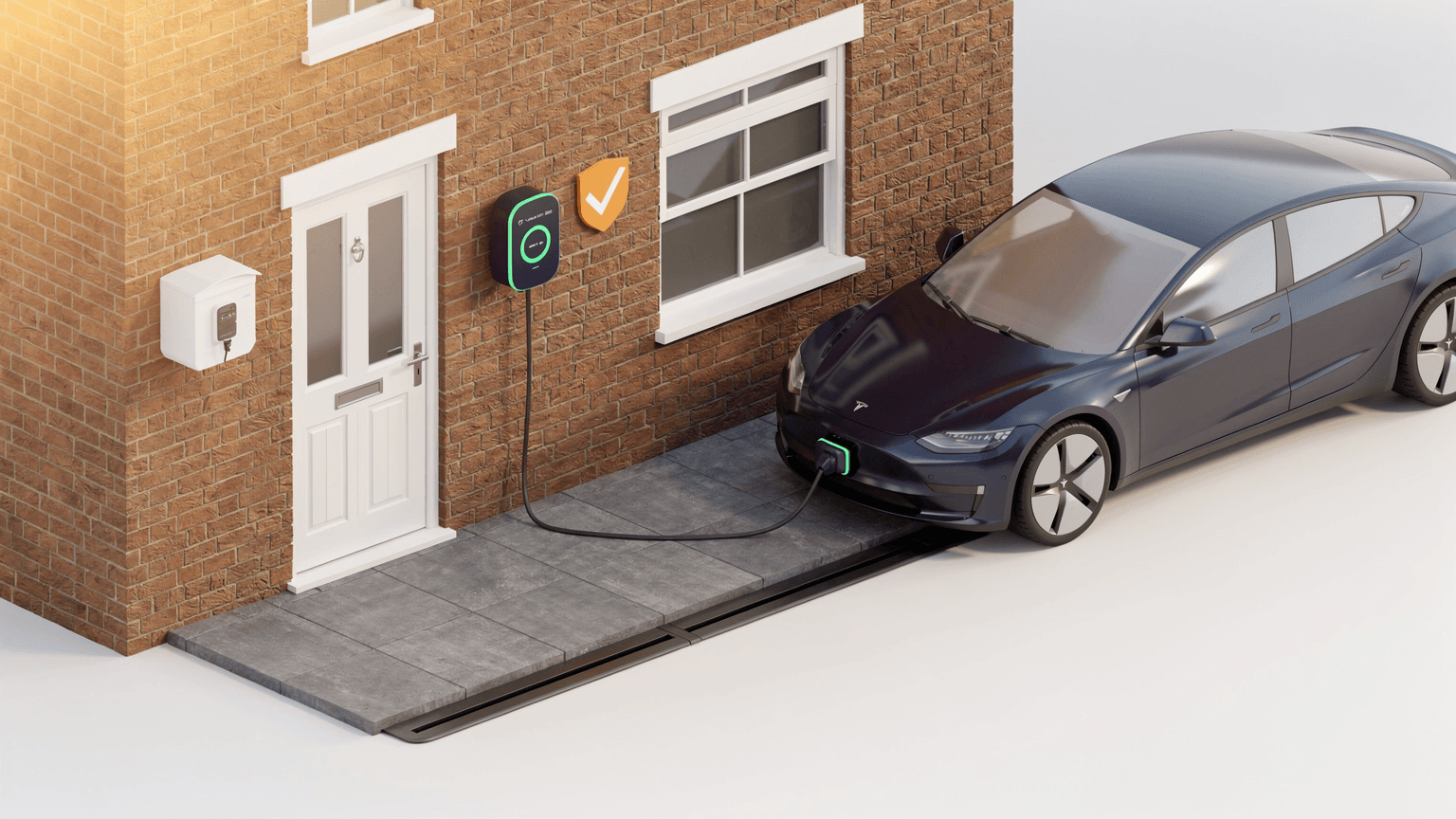
Households with on-street parking. If you own or rent a home with no private off-street parking, the separate on-street grant pays the same 75% up to £500, but only for a permanent cross-pavement solution such as a cable channel. Cable covers and mats do not qualify. You must get consent from your local highways authority and include it in your application, and declare that you will obtain any planning permission needed (GOV.UK Find a grant). Not every council approves cross-pavement solutions, so ask yours first. England is also changing the planning side – see our guide to EV charging without a driveway.
Who cannot claim. The renters and flat-owners grant excludes anyone living in a house they own, lodgers, anyone moving house, anyone who has already claimed under the earlier Homecharge schemes, and anyone installing because of a mandatory requirement such as Part S building regulations or a planning condition. If you own a house with a driveway, you will pay full price – our EV charger installation guide explains the costs.
How to claim the EV charger grant step by step
- Get permissions. Landlord, freeholder or managing-agent consent, plus highways consent for the on-street grant.
- Get a quote from an OZEV-authorised installer, using an eligible chargepoint model.
- Apply online. Use “Start new application” on the relevant GOV.UK grant page and create an account. Renters upload a signed, dated tenancy agreement, a utility bill under three months old and the quote; flat owners need the bill and quote; an order form covers a car not yet delivered.
- Wait for confirmation. GOV.UK’s initial estimate is up to 10 working days to assess applications on the new platform.
- Install only after approval. The installer fits the charger, takes the grant off your bill and submits photos and a claim.
The costly mistake. Do not install before OZEV confirms eligibility. Anyone who has already installed the chargepoint cannot claim, and grants cannot be backdated.
Is the grant worth it if you have solar?
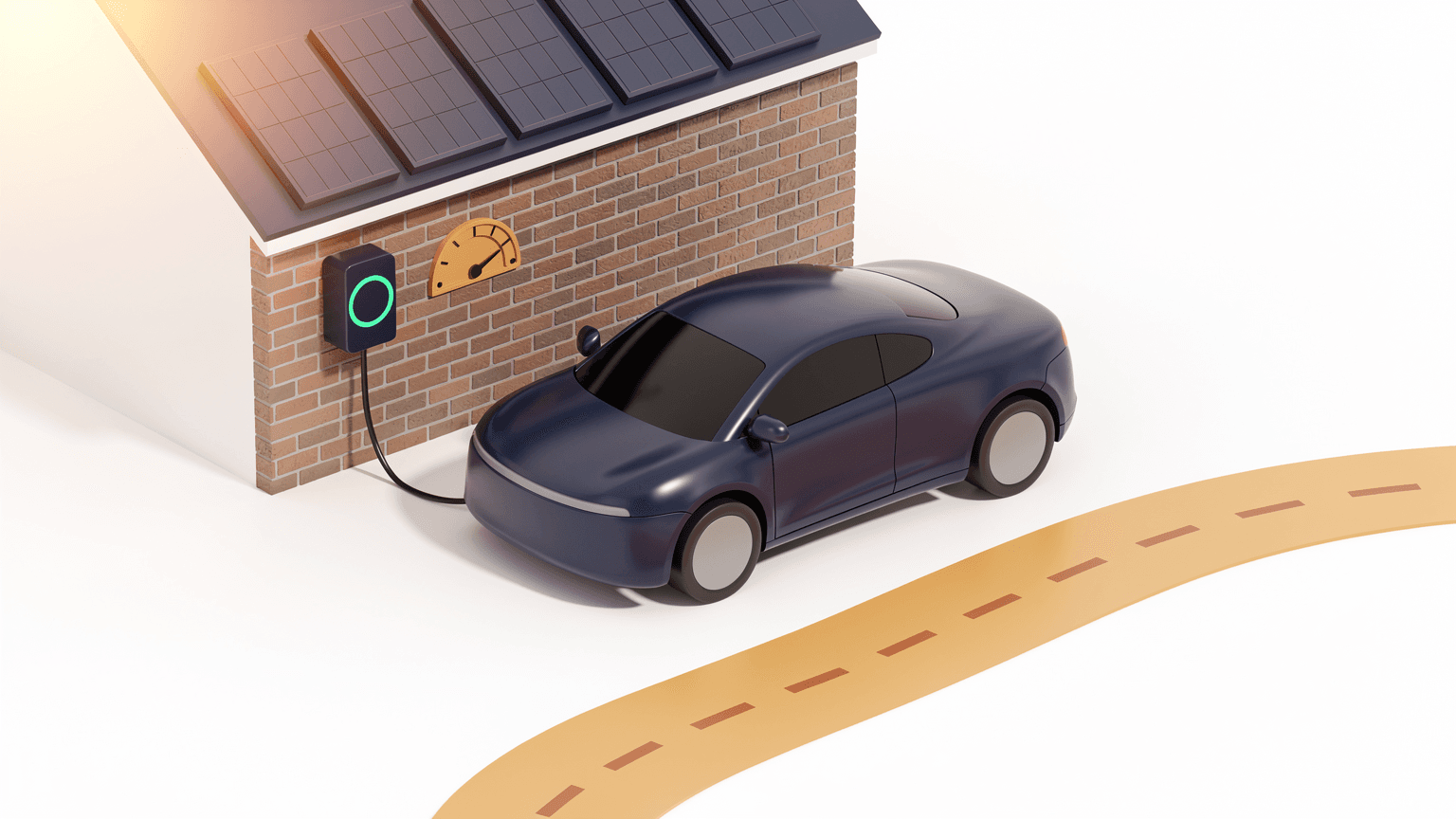
If you rent or live in a flat, rooftop solar is often not your decision, but a charger can still pair with a tariff that rewards cheap overnight charging. Where you do control the roof, a smart charger lets you soak up surplus generation – see how many panels it takes to charge an EV. Renters should read our solar for rental properties guide, and anyone buying a car can combine this with the Electric Car Grant. For charger choices, start with our best home EV charger comparison.
Timing. The government says it may end or change the schemes but aims to give about four weeks’ notice, and claims made before an announcement should be honoured. With the current funding ending on 31 March 2027, applying early avoids a rush.
FAQs
How much is the EV charger grant in 2026?
Can I get an EV charger grant if I own my house?
When does the EV charger grant end?
Can I install my EV charger before I get the grant approved?
Do I get the grant money myself?
Sources — verified 11 October 2026
- GOV.UK, “Electric vehicle chargepoint grants” — www.gov.uk
- GOV.UK, “Changes to electric vehicle chargepoint grant schemes from 1 April 2026” — www.gov.uk
- GOV.UK Find a grant, “Electric Vehicle Chargepoint Grant for Renters and Flat Owners” — www.find-government-grants.service.gov.uk
- GOV.UK Find a grant, “Electric Vehicle Chargepoint Grant for Households with On-Street Parking” — www.find-government-grants.service.gov.uk

About the author
Sepehr
Solar specialist & co-founder, Smart Solar Homes
Solar specialist and co-founder of Smart Solar Homes, which works with MCS-certified UK installer partners. I write all the guides and reviews here; the aim is straight-talking education the industry rarely provides.
Citing this page? Please use a dofollow link back to the original article — it helps us keep the data on this page accurate and up to date.
Browse EV Chargers on Smart Solar Homes


Want to compare these side by side? Use the compare tool →
Or browse all EV Chargers on Smart Solar Homes.
Related reading
More on ev chargers from the editorial team.
Find installers near you
MCS-certified solar installers covering these areas.