ZEV Mandate Review: What It Means for Home EV Chargers

Written and reviewed by Sepehr. See our editorial policy.
The government's ZEV mandate review closes for responses at 11:59pm on 23 October 2026, and the outcome could change how many electric cars are sold each year, and so how many people go on to fit a home charger. Nothing has changed yet: the rules, the 2030 phase-out and the 2035 end date all stand while the Department for Transport (DfT) gathers evidence. Here is what is being reviewed, what the charging industry is warning about, and what it means if you are weighing up a home EV charger or a solar-and-EV setup.
What the ZEV mandate review is asking
The review launched on 14 August 2026. It is a consultation on the Zero Emission Vehicle (ZEV) mandate, which sits within the Vehicle Emissions Trading Schemes (VETS) Order, and it supports a commitment to review the Order by early 2027. The UK, Scottish and Welsh governments and the Department for Infrastructure in Northern Ireland are consulting jointly on parts one to four.
The scope is the annual path, not the end date. The consultation covers the mandate's impact, emerging issues, policy options (including the ZEV trajectory and the yearly headline targets, existing compliance flexibilities and alternative approaches) and the carbon impact of those options. Part five, which only the UK Government consults on, looks at how to define the 2030 phase-out of new cars that rely solely on internal combustion engines.
The end goal is stated as unchanged. Under current policy, new petrol and diesel car sales end by 2030 and all new cars and vans must be zero emission by 2035. Transport Secretary Heidi Alexander said: “The end goal hasn’t changed – but we need to take business with us on the journey.” The government has not published a proposed change to the annual targets; the consultation asks whether they remain appropriate.
Why home charger makers are worried
The trade association BEAMA, which represents electrotechnical manufacturers, has modelled one scenario in which the 2030 zero-emission car sales target is cut from 80% to 50%. In that scenario it estimates:
- Up to £1.56 billion of home charge point sales and installations could be delayed.
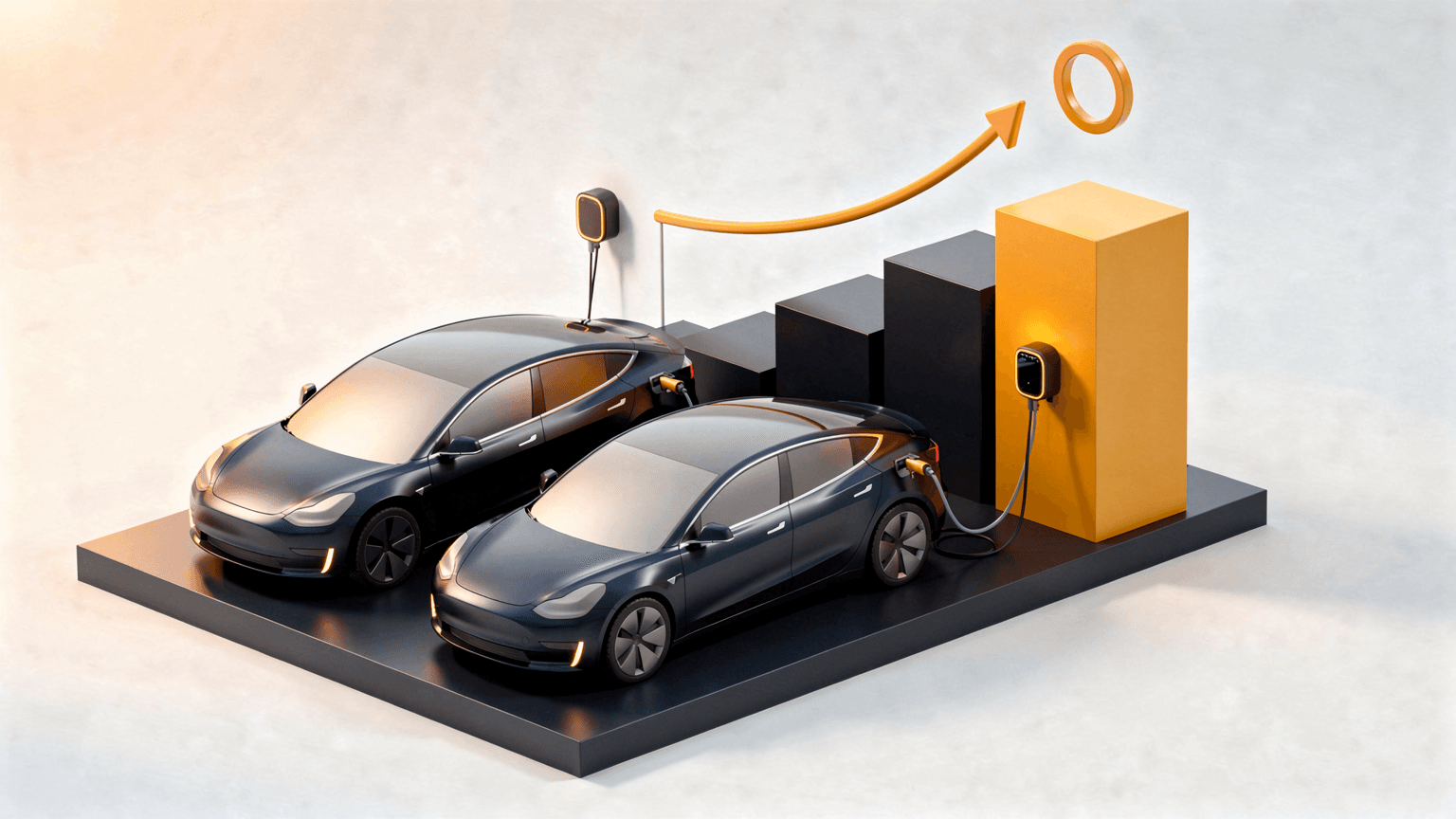
- Up to 1.7 million fewer home charge points could be sold and installed by 2034 than under the current trajectory.
- Up to 12GW less flexible smart-charging capacity by 2034, which would make the roughly 4.5GW goal for EV smart charging by 2030 harder to reach.
These are an industry body’s estimates for a hypothetical cut, not government policy or a forecast. They show why charger manufacturers and installers are lobbying hard before the deadline. Other voices want change: the SMMT, which represents carmakers, has called the review a “timely opportunity to adjust the transition so it works for all”.
Demand is already running ahead of the debate
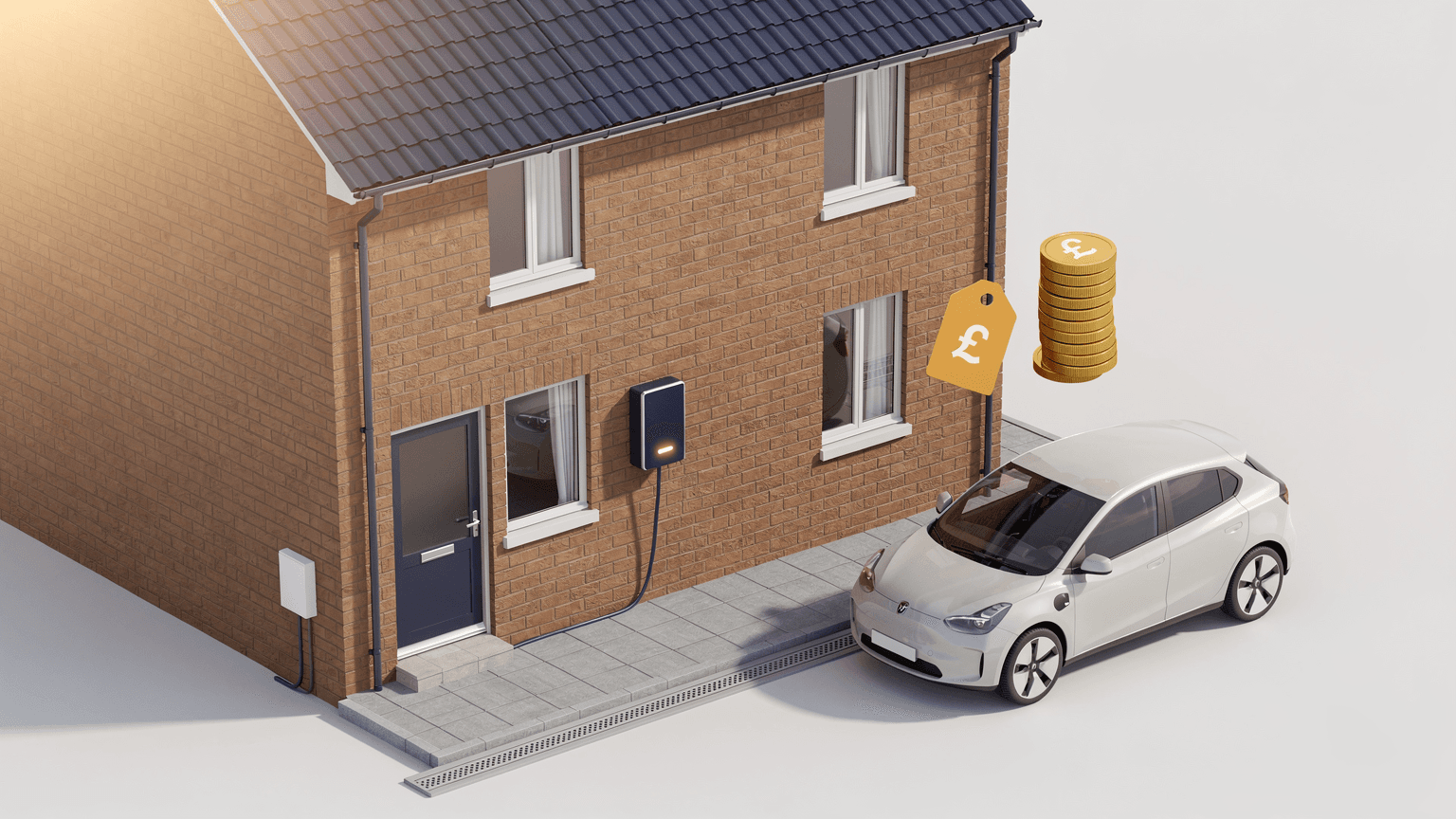
The government says more than one in four new cars sold are now electric and that over 2 million EVs are registered on UK roads. Our look at record EV sales in September 2026 covers where the market stands against the 2026 target. The Electric Car Grant offers up to £3,750 off a new EV, and home charger grants of up to £500 are available for landlords, flat owners and renters – see our guide to the EV charger grant.
What it means if you are buying a home charger
Do not wait for the review. The consultation affects manufacturer sales targets for new cars. It does not change the price of a charger, the grants listed above or the electrical rules for installation. If you already have, or have ordered, an EV, a home charger still makes sense whichever way the targets move.
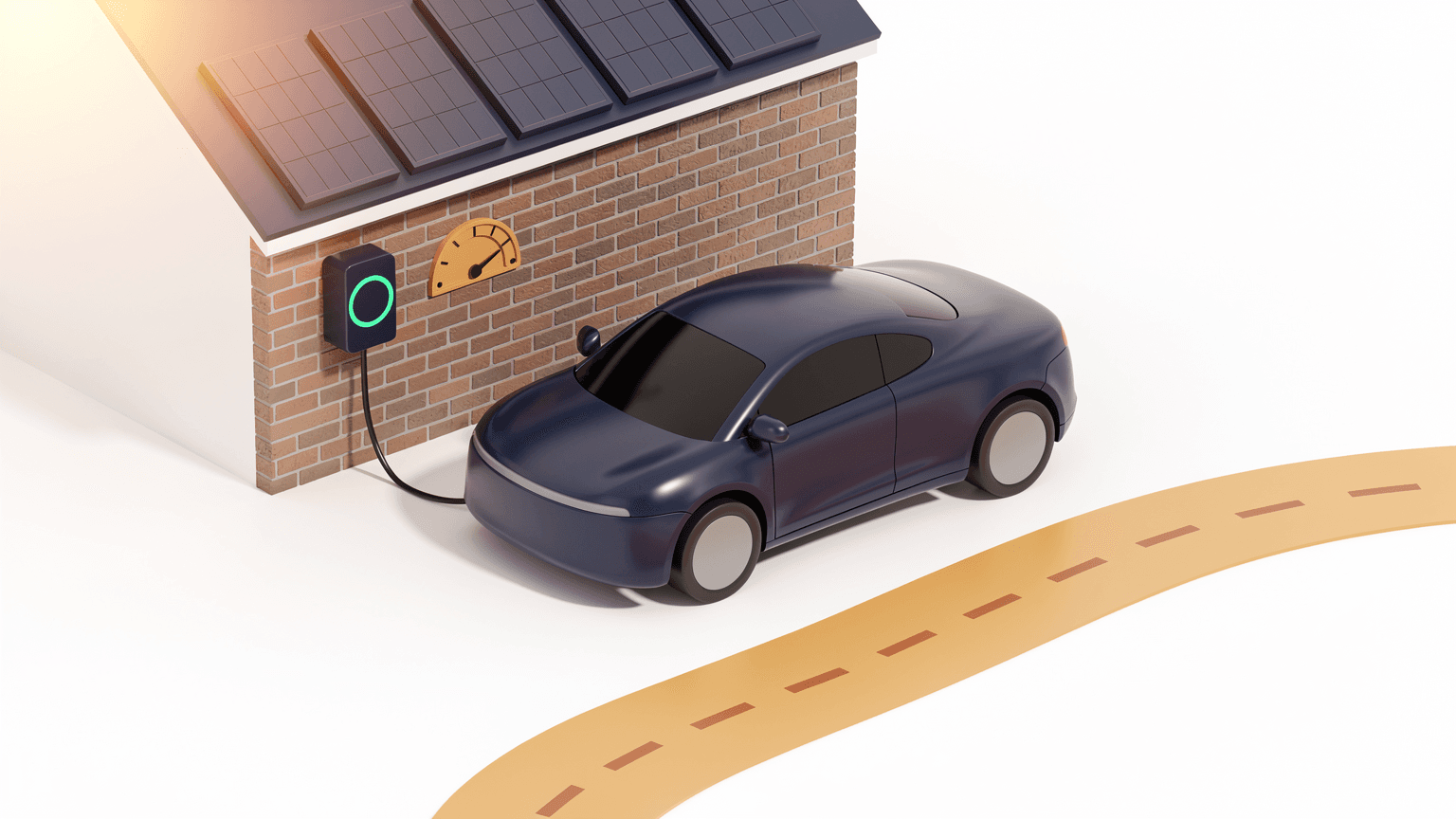
Choose a smart, solar-aware unit. The flexibility the industry talks about is smart charging that shifts demand to cheaper or greener hours. A charger that can follow your solar surplus fits that direction of travel; our best home EV charger guide compares the options, and solar charging and the Electric Car Grant explains how the two fit together.
Check the ground rules first. Before ordering, confirm your parking, supply and installer requirements in our home EV charger requirements guide.
Can you have your say?
Yes. The consultation is open to anyone, including drivers, installers and households, until 11:59pm on 23 October 2026. Responses can be made through the online survey on the GOV.UK consultation page, by email to zevmandate@dft.gov.uk or by post to the ZEV Mandate review team at Great Minster House, 33 Horseferry Road, London, SW1P 4DR. The evidence may inform future amendments to the VETS Order, with a decision expected as part of the review due by early 2027.
FAQs
When does the ZEV mandate review close?
Is the 2030 petrol and diesel ban being scrapped?
Should I wait to buy a home EV charger until the ZEV mandate review is decided?
How many home chargers could be affected by changes to the ZEV mandate?
Sources — verified 14 October 2026
- GOV.UK (Department for Transport), “Zero emission vehicle mandate review” — www.gov.uk
- GOV.UK, “Review launched to shape pathway to reach zero emission driving by 2035” — www.gov.uk
- EV Infrastructure & Energy News, “ZEV mandate changes could delay £1.56 billion in UK EV charging sales” — www.evinfrastructurenews.com

About the author
Sepehr
Solar specialist & co-founder, Smart Solar Homes
Solar specialist and co-founder of Smart Solar Homes, which works with MCS-certified UK installer partners. I write all the guides and reviews here; the aim is straight-talking education the industry rarely provides.
Citing this page? Please use a dofollow link back to the original article — it helps us keep the data on this page accurate and up to date.
Browse EV Chargers on Smart Solar Homes


Want to compare these side by side? Use the compare tool →
Or browse all EV Chargers on Smart Solar Homes.
Related reading
More on ev chargers from the editorial team.
Find installers near you
MCS-certified solar installers covering these areas.