Can a Home Battery Charge an Electric Car? UK Guide
Written and reviewed by Sepehr. See our editorial policy.
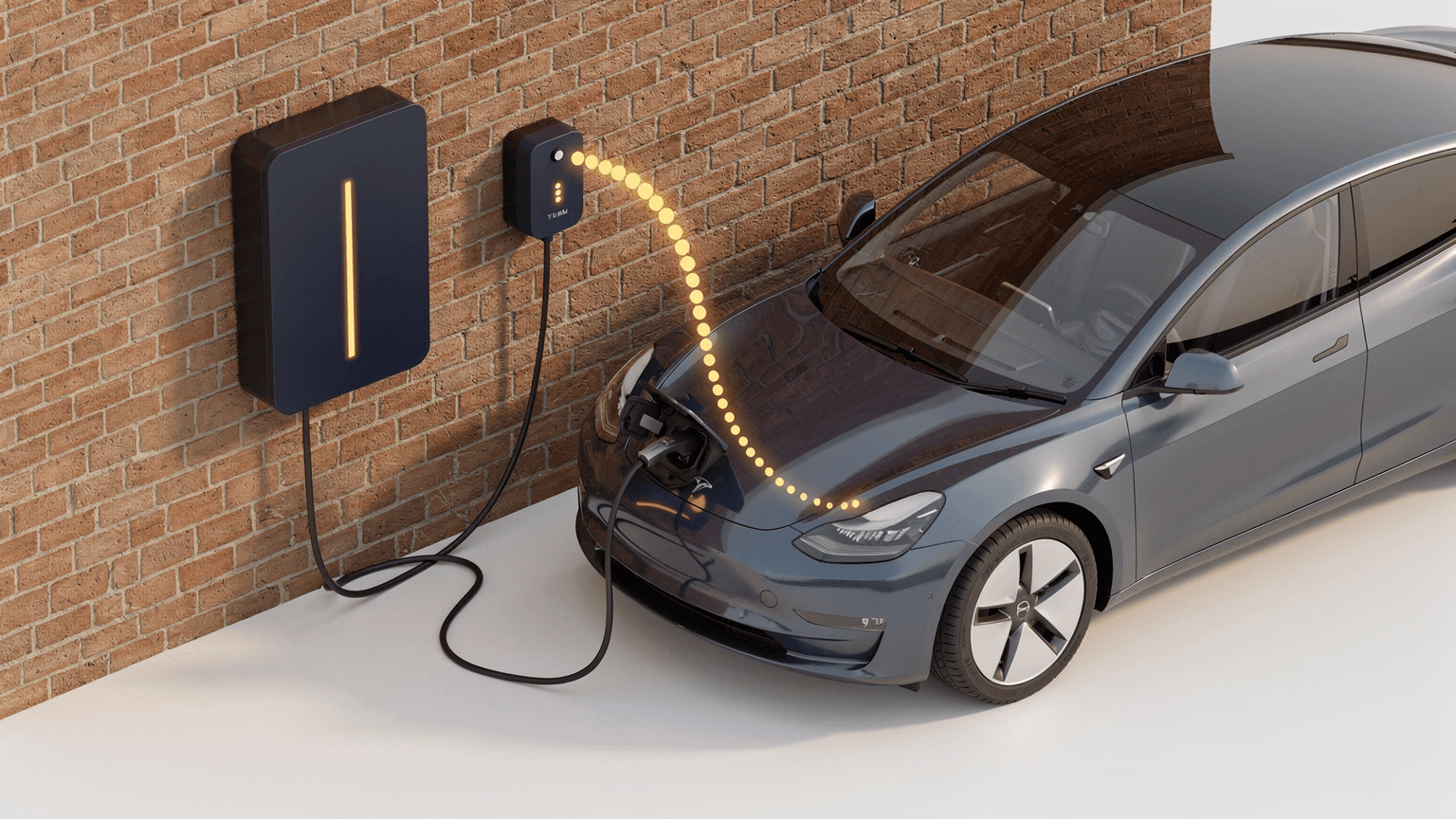
Can a home battery charge an electric car? Technically yes, but for most UK homes it is the wrong job for the battery. A typical home battery stores a fraction of what an EV needs, so it can top up a car, not fill one. This question came up again on r/SolarUK this week, where a homeowner comparing solar-and-battery quotes asked whether overnight EV charging should count towards the battery's size at all. Most replies said no.
The size mismatch: a home battery is much smaller than an EV
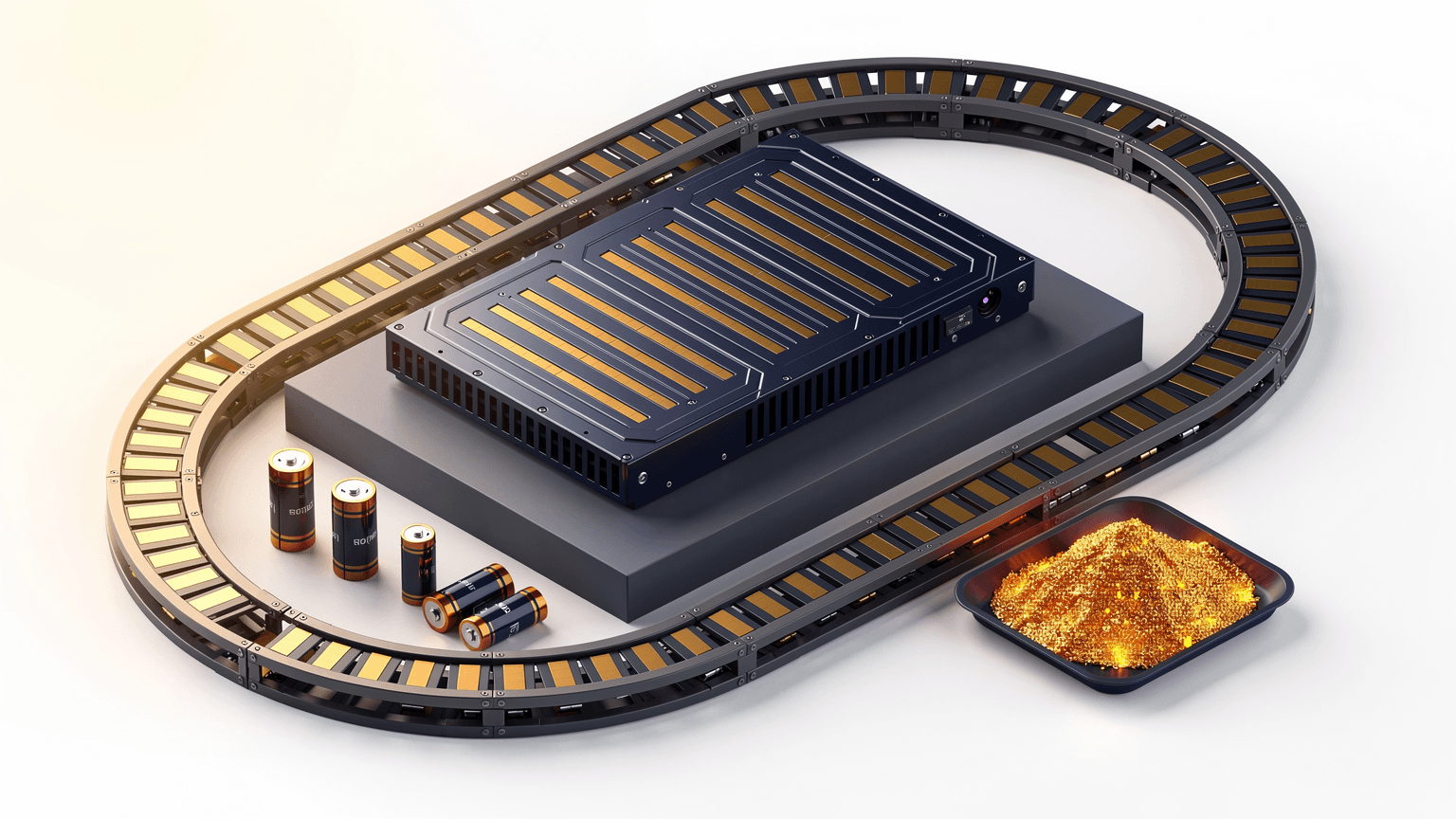
Capacity is the core problem. Octopus Energy's EV guide says most UK electric cars have 40-60kWh batteries, with larger cars at 75-100kWh or more. Even a large single-unit home battery, such as GivEnergy's 13.5kWh All-in-One, holds roughly a quarter of a 50-60kWh car pack. Many home batteries are smaller still.
That arithmetic explains the r/SolarUK answer. One commenter pointed out that a 20kWh battery can never realistically fill a car with a pack around 60kWh. Another sends about 10kWh from their battery into the car after a sunny day, because their grid imports are much higher than their exports. Both are right: it works as a top-up, not a full charge.
The power mismatch: charger speed versus battery output
A 7kW charger asks for more than many batteries can give. A battery's inverter limits how fast it can discharge. GivEnergy's datasheet lists 6kW continuous output for its 13.5kWh All-in-One, and smaller or cheaper units are often rated lower. If the charger demands 7kW and the battery can only supply part of it, the rest comes from the grid, and the battery is empty again within a couple of hours. Check the continuous discharge rating on any datasheet, not just the kWh figure.
Why overnight EV charging rarely needs the battery
The grid is already cheap at night. Intelligent Octopus Go offers a six-hour window from 23:30 to 05:30 with smart-charging eligible cars from 8p/kWh. At that price, charging the car straight from the grid is hard to beat, as covered in our guide to smart scheduling for solar EV charging. Using the battery to feed the car overnight would use up stored energy that is worth more at 6pm, when you pay full rate for cooking and heating.
It also depends on what the battery is for. If it is meant to cover your evening peak, spending it on the car defeats the point. As the Reddit poster put it, the battery is "better used to power the house during peak rate hours".
Should you include EV charging when sizing a battery or quote?
Usually not, if the car charges overnight on a cheap tariff. The poster noticed earlier estimates counted all household use, including cheap off-peak EV charging. If an installer sizes a battery on a total that includes the car, you may pay for capacity that never earns its keep. Ask each installer to show the usage figure they used, with and without the EV. This is worth doing whenever you compare solar quotes.
The exception is a car that charges during the day. If you work from home or the car sits on the drive, solar can feed it directly. Our guide to how many solar panels you need for EV charging covers that case, where panel count matters more than battery size.
When a home battery does make sense with an EV
- Daytime surplus: if panels export a lot at midday and the car is home, a battery can carry some of that to the evening, including a small top-up for the car.
- High imports, low exports: the commenter in the thread had this profile, which is why they were happy to send some battery energy to the car.
- Charger wiring: commenters noted that a setup which does not register EV demand can stop the battery from draining into the car. Ask your installer how the charger and battery are configured to behave.
- Cheap-rate battery charging: add-ons such as Octopus Charge Pack are designed to charge a battery at the cheapest rate, which also works on the same cheap overnight window as the car.
Is vehicle-to-home the reverse?
Yes, and it is a separate technology. Rather than a battery charging the car, vehicle-to-home lets the car power the house. It needs a bidirectional charger and a compatible vehicle, and it remains niche in the UK. See our explainer on vehicle-to-home (V2H).
What to do before you sign
- Decide when the car charges: overnight on a cheap tariff, or by day from solar.
- Ask for the usage figure behind the battery size, with the EV included and excluded.
- Check the battery's continuous discharge rating against your charger's rating.
- Size the battery for your evening household use first, and treat any EV top-up as a bonus.
For deeper context, see our guide to home battery backup power.
FAQs
Can a home battery charge an electric car?
Should I include my EV in a solar battery quote?
Is it cheaper to charge an EV from a home battery or the grid overnight?
Can an electric car power a house?
Sources — verified 21 October 2026
- Octopus Energy, “All you need to know about electric car batteries” — octopusev.com
- GivEnergy, “All in One (6kW AC-Coupled) Datasheet” — givenergy2025.zohodesk.eu
- Octopus Energy, “Intelligent Octopus Go” — octopus.energy
- Octopus Energy, “Charge Pack” — octopus.energy
- r/SolarUK (via The Cool Down), “In the U.K., overnight EV charging can bloat solar quotes, and owners say to exclude it” — www.thecooldown.com

About the author
Sepehr
Solar specialist & co-founder, Smart Solar Homes
Solar specialist and co-founder of Smart Solar Homes, which works with MCS-certified UK installer partners. I write all the guides and reviews here; the aim is straight-talking education the industry rarely provides.
Citing this page? Please use a dofollow link back to the original article — it helps us keep the data on this page accurate and up to date.
Browse EV Chargers on Smart Solar Homes


Want to compare these side by side? Use the compare tool →
Or browse all EV Chargers on Smart Solar Homes.
Related reading
More on ev chargers from the editorial team.
Find installers near you
MCS-certified solar installers covering these areas.