Sunsave Home Battery Plus: £39/Month Battery With No Solar
Written and reviewed by Sepehr. See our editorial policy.
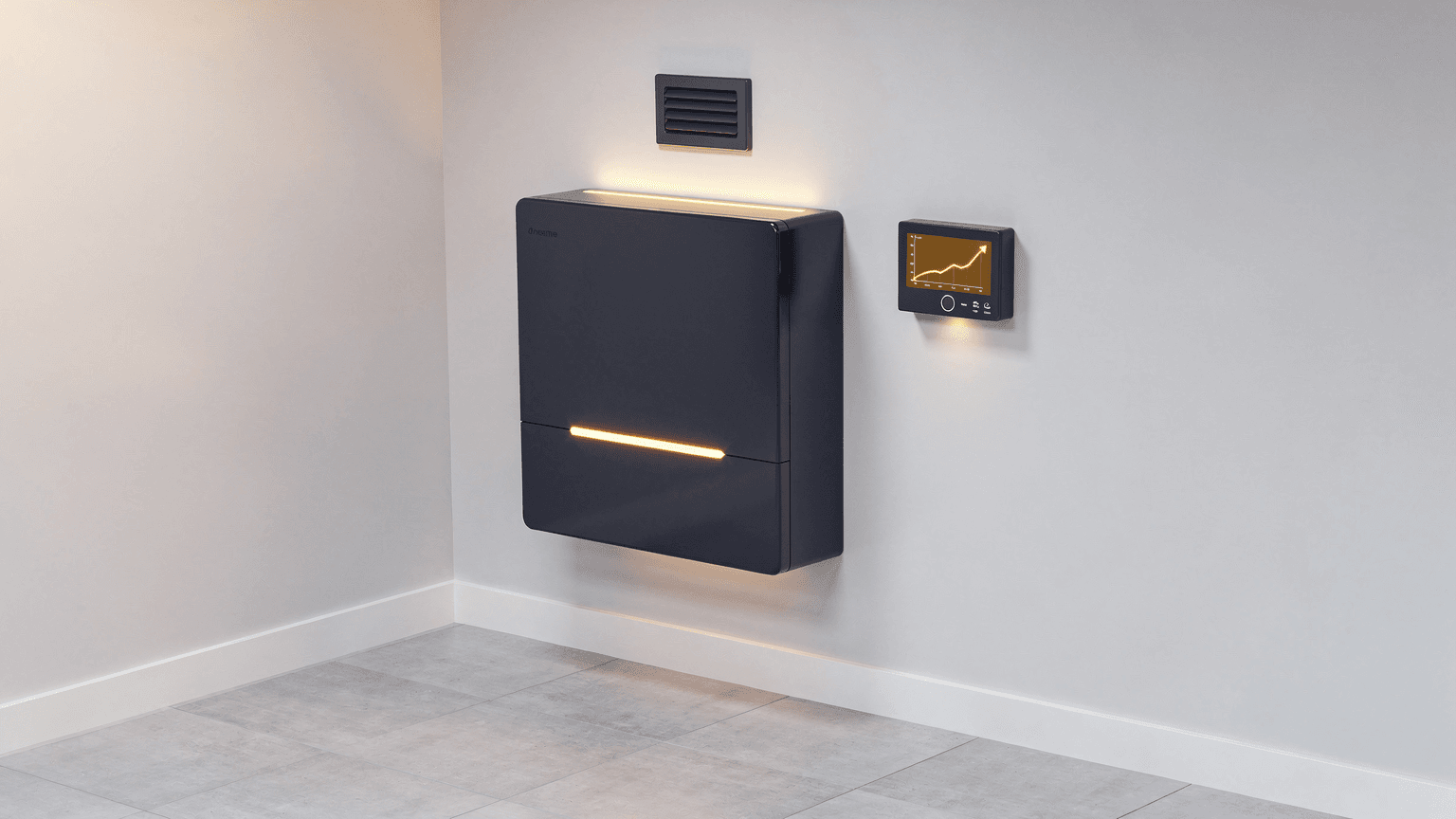
Sunsave has launched Sunsave Home Battery Plus, a standalone home battery offered from £39 a month with no upfront cost and no solar panels required. It is one of the first UK offers to put a battery-only package on monthly finance, and it arrived on 12 October 2026, just after the second energy bill rise in a row. Here is what the £39 actually is, what you repay in total, and how to decide whether a battery without solar makes sense for your home.
What Sunsave Home Battery Plus offers
The headline. Per Renewable Energy Magazine, the package bundles the battery, installation, finance, long-term protection and smart battery management into one monthly bill. You own the system from day one, and you only need a suitable wall to mount it on. There is no deposit.
The software. The battery is run by Sunsave Sona, which learns your household usage, checks real-time electricity prices and schedules charging and discharging. In practice the battery fills on cheap overnight power and your home runs on that stored energy through the expensive evening peak. We explain the mechanics in our guide to time-of-use tariffs.
What is not published. At the time of writing, Sunsave's launch coverage and product page do not state the battery's capacity in kWh or confirm the hardware model. That matters: capacity is the biggest driver of both price and savings, so ask for it in writing before you compare quotes.
What £39 a month really costs
£39 is a finance example, not a flat subscription. Sunsave's own representative example is 120 monthly instalments of £39 at 4.4% representative APR, on a loan of £3,762. The total repayable is £4,665, of which £903 is interest. Finance is subject to status and acceptance, and Sunsave UK Limited acts as a credit broker rather than the lender.
So the real comparison is not "£39 a month" but "£4,665 over ten years". For context, our home battery cost guide covers typical installed prices, and the interest is the price of not paying upfront. If you have the cash, paying outright (Sunsave sells a separate upfront Home Battery Standard option) avoids that £903.
Warranty and protection
Sunsave lists 10-year manufacturer warranties on the battery and inverter, and a 10-year insurance-backed workmanship guarantee. It says the workmanship guarantee is covered by RECC if Sunsave were to cease trading. Overpayments can reduce your monthly payment or shorten the term without penalty, and the battery can be moved with you if you relocate, with Sunsave handling the reinstallation.
The savings claims, and how to read them
Sunsave says households could save up to £36 a month after battery payments, around £240 extra a year, and that some customers have earned up to £30 a month from grid-balancing payments. It also offers a guarantee of at least £15 a month in savings for the first 12 months on a battery-only system. Its product page separately guarantees at least £180 extra savings in the first year, and its worked example shows a bill falling from £104 to £90 a month once the Sunsave payment is included, a £14 monthly saving.
Treat these as company figures. They are illustrative, they depend on your usage and tariff, and the examples on Sunsave's own page are considerably lower than the "up to" headline. The grid-balancing income comes from the battery joining a virtual power plant, which pays you to charge or discharge when the grid needs it. Those payments vary with demand and none are guaranteed.
Does a battery without solar panels make sense?
A solar battery is normally charged by your own panels. Without panels, the battery earns its keep through tariff arbitrage: buying electricity at the cheapest overnight rate and using it when prices are high. That works only if there is a meaningful gap between your cheap and standard rates, and the bigger the gap, the faster the battery pays back.
- It can suit you if your home uses a lot of evening electricity, you have an EV or heat pump, you can access a cheap overnight tariff, or your roof is shaded, north-facing or leasehold so solar is not an option.
- It is weaker if your usage is low, you are on a flat-rate tariff with no cheap period, or you could fit solar and would get a much better return from generation you own. Our guide on whether solar batteries are worth it walks through the payback maths.
The key test is simple: will the monthly saving comfortably exceed the monthly payment? On Sunsave's own worked example the margin is £14 a month, which is thin, so run your own numbers using your actual tariff rates before signing.
Installation rules and checks before you sign
Since 15 October 2026 new domestic battery installations must follow BS 7671 Amendment 4, which rules out lofts, stairways and hallways. Check where the installer plans to mount the unit, and read our explainer on the home battery loft ban. Also confirm:
- Usable battery capacity (kWh), the exact hardware model and the inverter output.
- Which tariff the savings figure assumes, and whether you must use a particular supplier.
- Total repayable, APR, and any early-settlement terms, in writing.
- Whether your area is covered: Sunsave lists mainland England and Wales, the Isle of Wight and parts of southern Scotland.
- Whether the installer is certified and how the workmanship guarantee is backed.
Get at least two other quotes, and see our home battery installation guide for what a good quote includes. One point worth noting: installing batteries currently carries 0% VAT in Great Britain until 31 March 2027, rising to 5% from 1 April 2027, so timing affects the price of any battery purchase.
The bottom line
Sunsave Home Battery Plus lowers the barrier to owning a battery, particularly for homes that cannot take solar. But £39 a month is a ten-year commitment worth £4,665, and the savings are only as good as your tariff and usage. Compare it with an outright purchase and a couple of independent quotes before deciding.
FAQs
How much is Sunsave Home Battery Plus?
Can I get a home battery without solar panels in the UK?
Is a home battery worth it without solar?
What warranty does Sunsave Home Battery Plus come with?
Sources — verified 16 October 2026
- Renewable Energy Magazine, “Sunsave launches no-upfront-cost home batteries saving households” — www.renewableenergymagazine.com
- Sunsave, “Home Battery Plus: big bill savings for £0 upfront” — www.sunsave.energy
- IET, “IET & BSI officially publish Amendment 4 (2026) to BS 7671:2018” — www.theiet.org
- HMRC / GOV.UK, “Energy-saving materials and heating equipment (VAT Notice 708/6)” — www.gov.uk

About the author
Sepehr
Solar specialist & co-founder, Smart Solar Homes
Solar specialist and co-founder of Smart Solar Homes, which works with MCS-certified UK installer partners. I write all the guides and reviews here; the aim is straight-talking education the industry rarely provides.
Citing this page? Please use a dofollow link back to the original article — it helps us keep the data on this page accurate and up to date.
Browse Solar Panels on Smart Solar Homes


Want to compare these side by side? Use the compare tool →
Or browse all Solar Panels on Smart Solar Homes.
Related reading
More on solar panels from the editorial team.

Find installers near you
MCS-certified solar installers covering these areas.